

Reflecting on where we are and where we could be.
India 2047
India has immense potential. The challenge is turning that potential into lasting progress that benefits every generation.
Why 2047 Matters
One hundred years of independence is more than a milestone. It is a moment for reflection and direction.
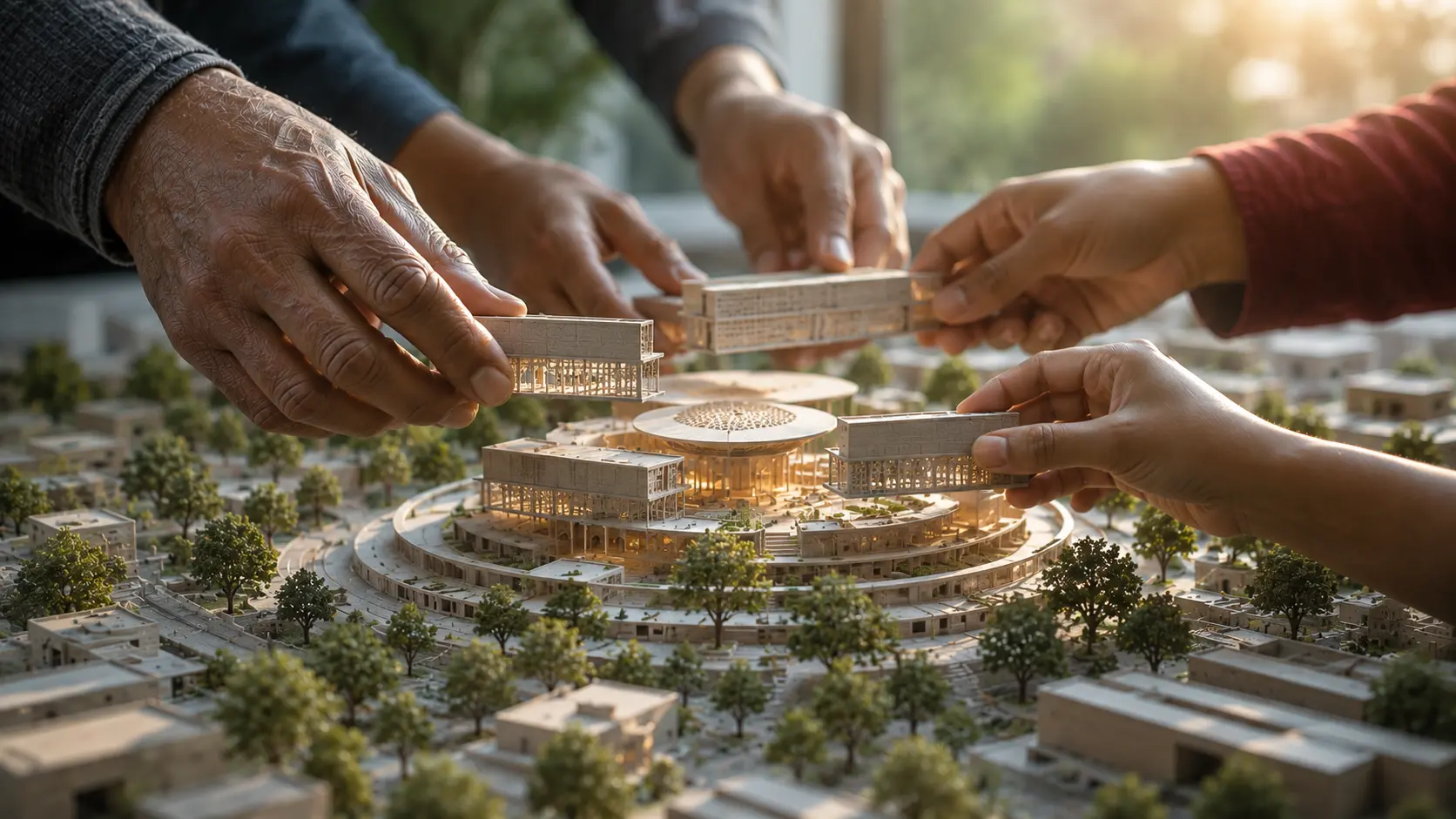
Concept visual created with artificial intelligence.
In 2047, India will complete one hundred years as an independent nation. It is a date that invites us to look back at how far we have come and, more importantly, to think about where we are going.
Over the past century, India has achieved remarkable progress. Millions have been lifted out of poverty, industries have grown, technology has advanced, and the nation has established itself as an important voice on the global stage. Yet many challenges remain, and the choices we make in the coming decades will play a significant role in determining the future that future generations inherit.
For HADISO, 2047 is not simply about celebrating the past. It is about asking important questions about the future. What kind of country do we want India to become? What quality of life should people expect? What role should India play in the world? How can development remain sustainable for generations to come?
Milestones matter because they encourage long term thinking. They remind us that great nations are not built in a few years, but through decades of vision, planning, and collective effort. The India of 2047 will be shaped by the decisions, priorities, and leadership of today.
This is why 2047 matters. It provides a shared horizon that allows us to think beyond immediate concerns and focus on the kind of future we wish to create.
The future does not arrive on its own. It is built one decision at a time.
The India We Have Today
To understand where we want to go, we must first understand where we are.
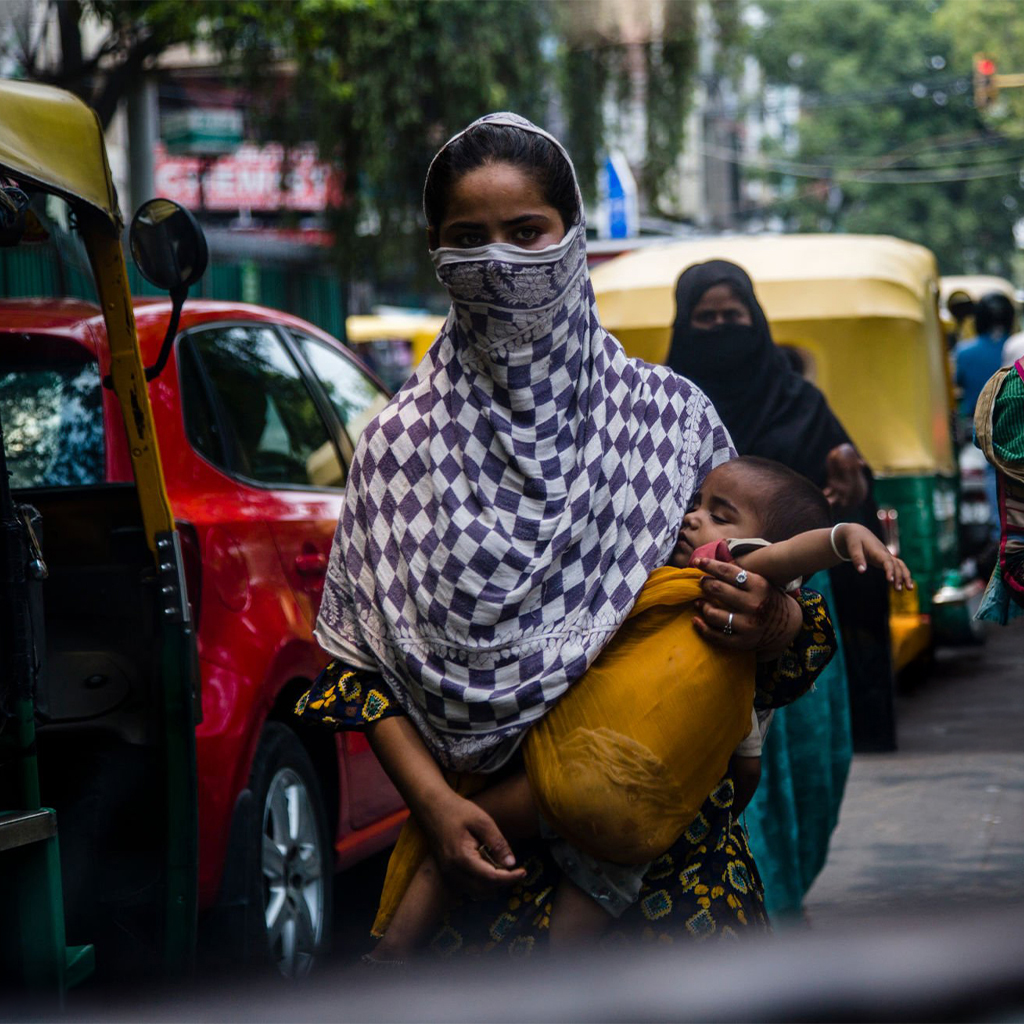
India is a nation of extraordinary scale, diversity, and potential. It is home to one of the world’s largest populations, one of the youngest workforces, and one of the fastest growing major economies. Indian talent contributes to industries, institutions, and innovations across the globe, while the country’s rich cultural heritage continues to influence millions of people both within and beyond its borders.
At the same time, India faces challenges that affect the lives of millions every day. Access to quality education, healthcare, employment opportunities, urban infrastructure, environmental sustainability, and effective governance remain important areas for improvement. Rapid population growth and urbanization continue to place increasing pressure on cities, public services, and natural resources.
Yet it is important to recognize that India’s story is not defined solely by its challenges. The nation possesses immense strengths, a growing economy, technological capabilities, entrepreneurial energy, and a generation of young people who will help shape its future. These strengths provide a foundation upon which further progress can be built.
At HADISO, we believe that an honest understanding of both our achievements and our shortcomings is essential. Progress begins with recognizing reality as it is, while maintaining confidence in what it can become.
India today stands at a crossroads between possibility and responsibility. The opportunities before us are significant, but realizing them will require vision, leadership, and long term thinking.
India’s greatest strength may not be what it has already achieved, but what it is still capable of becoming.
The India We Want
An India that reaches its potential while improving the lives of all its people.
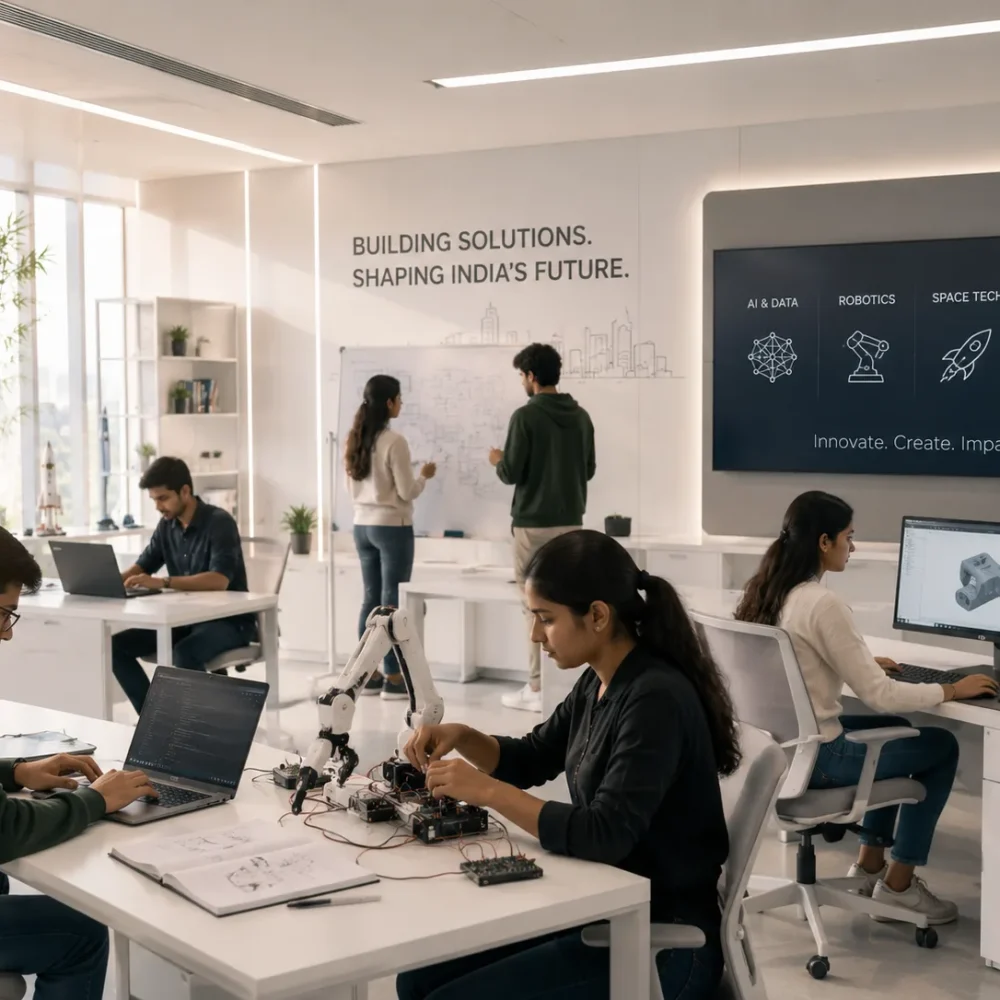
Concept visual created with artificial intelligence.
At HADISO, we envision an India that is prosperous, innovative, sustainable, and united. A nation that creates opportunity for its people, invests in their potential, and builds institutions capable of supporting long term progress.
We imagine an India where economic growth translates into better quality of life, where talent can thrive regardless of background, and where education, innovation, and entrepreneurship are encouraged at every level of society. An India that competes confidently on the global stage while remaining grounded in its own values and identity.
We also envision a nation that understands the importance of sustainability. Development should not come at the expense of future generations. Clean air, healthy ecosystems, responsible resource management, and well planned cities should be seen as essential parts of progress rather than secondary concerns.
At the same time, we believe that unity remains one of India’s greatest strengths. Despite our differences in language, culture, religion, and region, we share a common future. The challenges we face and the opportunities before us ultimately belong to all of us.
The India we want is not defined by any single policy, ideology, or generation. It is defined by a commitment to continuous improvement, responsible leadership, and a belief that the future can be better than the present.
This is not a vision of perfection. It is a vision of progress, one that seeks to expand opportunity, strengthen society, and create a nation that future generations will be proud to inherit.
The India we want is not built in a day. It is built across generations.
Key Areas of Transformation
The future of India will be shaped by the choices we make across several interconnected areas.
Leadership
Strong leadership provides direction, builds trust, and creates the conditions necessary for long term progress.
Education
Quality education helps individuals develop their potential and prepares future generations to solve increasingly complex challenges.
Economy
A growing and resilient economy creates opportunities, improves living standards, and supports national development.
Cities
Well planned cities improve quality of life, increase productivity, and create environments where people and businesses can thrive.
Environment
Protecting natural resources and ecosystems ensures that progress remains sustainable for future generations.
Technology
Innovation and technological advancement can improve services, expand opportunities, and help solve challenges at scale.
Lasting progress requires improvement across many areas, but it begins with understanding how they are all connected.
The Role of Every Citizen
The future of a nation is not shaped by leaders alone.
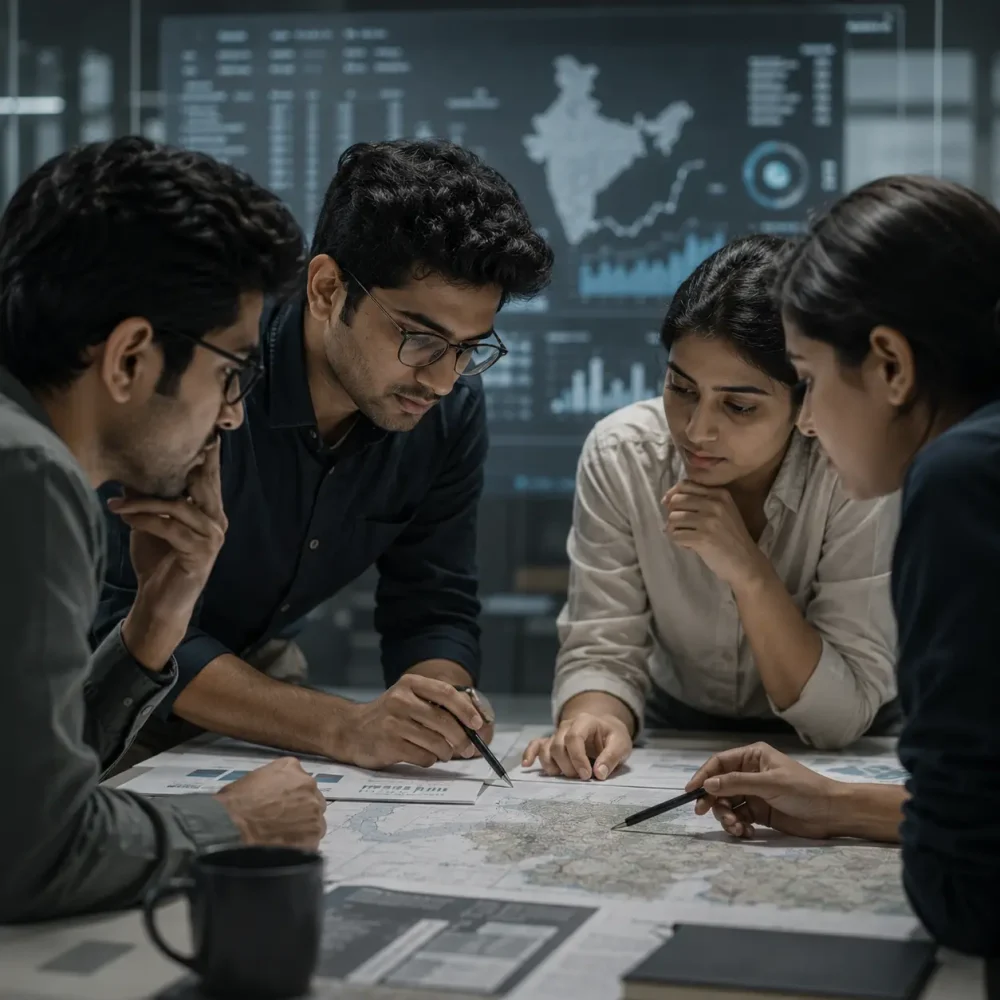
Concept visual created with artificial intelligence.
While leadership plays an important role in guiding a nation, lasting progress depends on the participation of its people. Every society is ultimately shaped by the values, actions, and responsibilities of the individuals who live within it.
Citizens contribute to the future in many ways. Through their work, ideas, businesses, communities, professions, and everyday decisions, they help shape the culture and direction of the nation. The choices made by millions of people each day collectively influence the future that everyone shares.
A strong society is built when people take an active interest in the world around them. When individuals seek knowledge, engage in constructive discussion, respect others, care for their communities, and think beyond their own immediate interests, they help create the foundations of long term progress.
At HADISO, we believe that meaningful change is a shared responsibility. Governments, institutions, businesses, communities, and citizens all have a role to play. The future cannot be built by a small group of people alone. It requires participation from those who believe that tomorrow can be better than today.
The story of India’s future will ultimately be written not only by its leaders, but by the actions and aspirations of its people.
Great nations are built when ordinary people choose to play an active role in shaping the future.
Thinking Beyond Elections
The most important decisions are often those whose results may not be seen for decades.
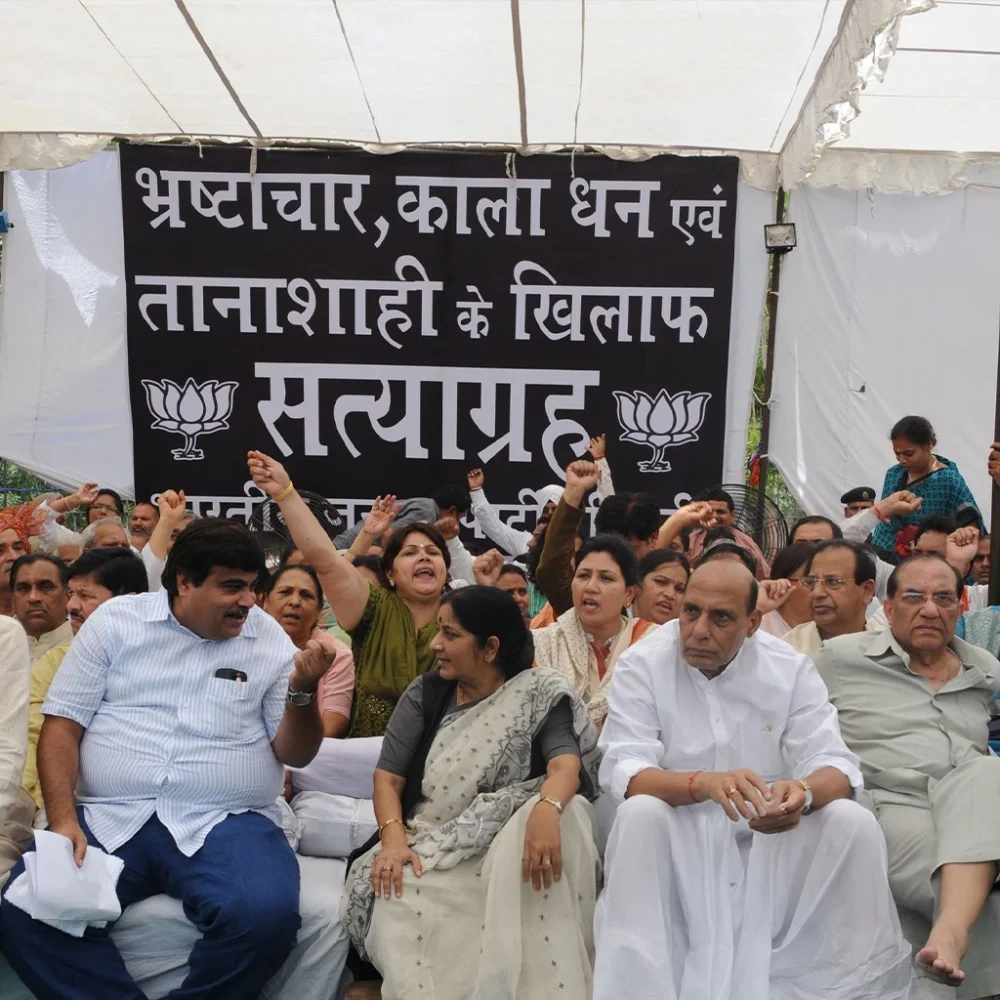
Many of the challenges facing nations today cannot be solved within a single election cycle. Building world class education systems, developing modern infrastructure, improving environmental sustainability, strengthening institutions, and creating prosperous cities often require years, and sometimes generations, of consistent effort.
At HADISO, we believe that progress becomes more meaningful when societies learn to think beyond immediate concerns and short term objectives. While elections are an important part of democracy, the future of a nation should not be limited by short term political timelines. Some goals are simply too important to be measured in a few years.
Long term planning allows societies to prepare for challenges before they become crises. It encourages investment in future generations, supports sustainable development, and creates a clearer sense of direction for both citizens and institutions. It helps ensure that decisions made today continue to create value decades from now.
The nations that achieve lasting success are often those that combine short term action with long term vision. They understand where they want to go and remain committed to that direction even as circumstances change.
For us, thinking beyond elections is not about politics. It is about responsibility. It is about making decisions with future generations in mind and recognizing that the India of tomorrow is shaped by what we choose to prioritize today.
The future belongs to societies that are willing to think further ahead than the next election.

Subscribe to Our Newsletter
Get occasional updates on our movement, research, and conversations shaping tomorrow.
We respect your privacy. Your information will never be sold, shared, or misused.

